A marketing funnel follows the steps from seeing an ad to placing an order. Looking at it from your side means asking what you opened the app for, how shopping entered the picture and whether you still want to buy.
A shop can count how many people see an ad, click it and place an order. Those steps form a marketing funnel. The shop wants to know where people leave and what gets more of them to buy.
You have your own starting point. Maybe you needed shoes. Maybe you opened the feed for one reel and followed a link to them. Both visits can look like the same sale in a report.
Google’s attribution guide explains how advertisers give ads credit for purchases and other actions. That helps a business compare its campaigns. It cannot say whether you wanted the item before seeing the ad or understood all the terms.
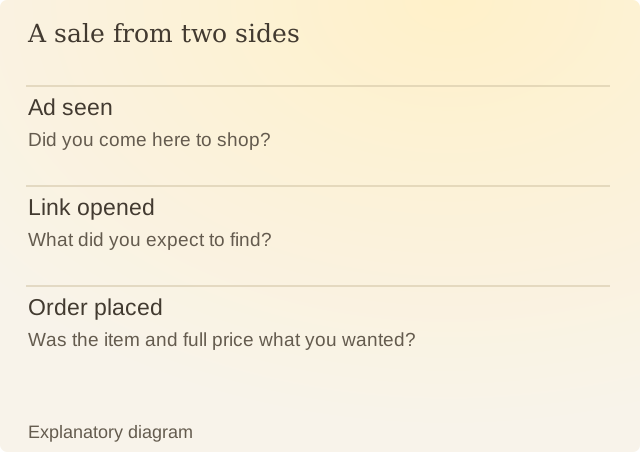
Read the diagram
| Item | Question or meaning |
|---|---|
| Ad seen | Did you come here to shop? |
| Link opened | What did you expect to find? |
| Order placed | Was the item and full price what you wanted? |
Imagine a shop testing two checkouts. The second produces more orders. To see whether it also serves the buyer, ask whether the full price is visible, paid extras are clear and the basket can be changed before payment.
More sales do not answer those questions. A report can count an order without recording whether the buyer saw a recurring charge.
Reverse engineering the funnel means following the journey from your side. Where did the purchase begin? Was the offer still worth it after delivery fees? Could you leave easily?
Renura offers a pause during that journey. The next step stays yours.
Sources
Google Ads: About attribution modelsGoogle’s guide to giving ads credit for purchases and other actions.