Personalisation can use recorded activity, supplied information and estimated interests. It uses them to guess what might interest you. It can get that wrong.
Google describes personalisation using settings, account information and activity, alongside non-personalised ads based on context. It also notes that controls for Google services and partner sites can differ.
Imagine a fictional person researching cycling equipment as a gift. A bike advertisement may follow. It need not fit the person’s own hobby or any intention to buy another item.
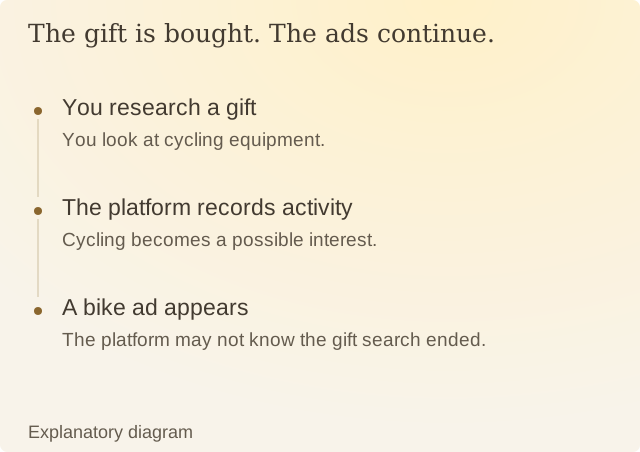
Read the diagram
| Step | Question or meaning |
|---|---|
| You research a gift | You look at cycling equipment. |
| The platform records activity | Cycling becomes a possible interest. |
| A bike ad appears | The platform may not know the gift search ended. |
An inferred interest can also outlast the task that produced it. Once the gift is bought, the earlier activity still describes a past interaction. The system would need new information to know that the task ended.
Even when an ad matches your interests, check the offer. A relevant ad can still offer a higher price than another seller. A mistaken category does not make a product claim false; it may simply make the ad irrelevant.
You can review personalisation settings and compare them with your own needs. Turning personalisation off can still leave ads based on the page or other circumstances. That setting does not promise fewer ads.
Sources
Google: How personalised ads workGoogle’s explanation of ads based on personal information, activity or where they appear.