A platform can use what you watch to choose videos for your feed. It cannot know from watching alone whether you liked the topic, doubted a claim or let the clip run.
The feed tries to choose something you will watch next.
TikTok’s ranking explanation names interactions such as watching, skipping, liking and sharing among its signals. That is the platform’s explanation. It does not show why one particular video reached your feed.
Consider an invented comparison. Someone watches a full clip because it explains a recipe. Someone else watches the same clip to check a claim they doubt. The visible watch event can look similar while the purposes differ.
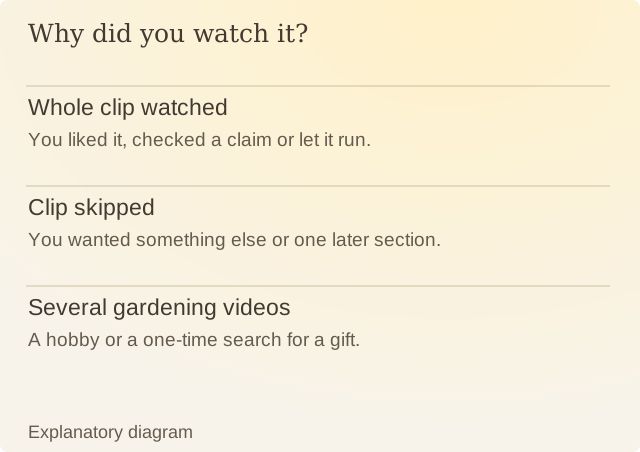
Read the diagram
| Item | Question or meaning |
|---|---|
| Whole clip watched | You liked it, checked a claim or let it run. |
| Clip skipped | You wanted something else or one later section. |
| Several gardening videos | A hobby or a one-time search for a gift. |
Both people finished the video. Only they can explain why they watched it. A record of more videos watched does not automatically supply those reasons.
You can examine the feedback the interface accepts. A visible option to mark content unwanted lets you say something that watch time alone cannot. The available choices matter: hiding one clip, avoiding a creator and changing a topic preference need not have identical effects.
Look for the platform’s current controls before assuming that pausing on a clip permanently defines an interest. A video reaching your feed does not make its claims accurate or useful to you.
Sources
TikTok: How content is recommendedTikTok’s explanation of choosing videos for a feed, checked on 9 October 2026.