No. It describes popularity under a particular ranking rule. Check the category, period and measure before using it as evidence about the product itself.
Imagine an invented desk chair named the bestseller in a narrow office-accessory category for one week. It may have sold more units in that set. The label does not establish the highest sales across all chairs or the best support for a particular person.
The CMA’s choice-architecture review examines popularity claims as one way interfaces present information. A bestseller label may be accurate for a small category or a short period. Without those details, you cannot tell how widely it sold.
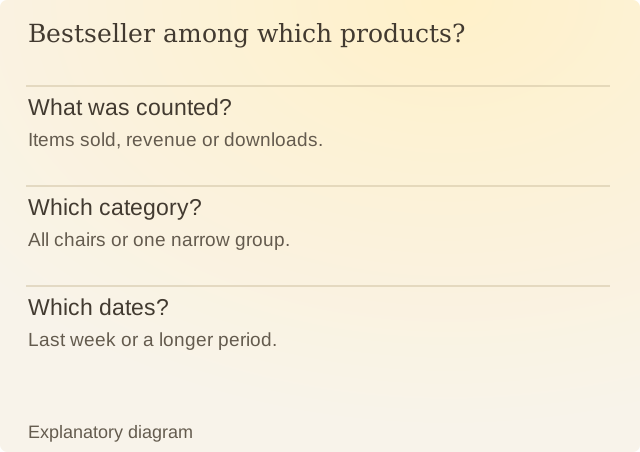
Read the diagram
| Item | Question or meaning |
|---|---|
| What was counted? | Items sold, revenue or downloads. |
| Which category? | All chairs or one narrow group. |
| Which dates? | Last week or a longer period. |
Check whether the count covers units, revenue, downloads or another outcome. Revenue can favour costlier items. A download can occur without continued use. These are different meanings of popularity.
The period matters as well. A promotion can change weekly sales while a long-term record describes something else. If the label gives no period, you cannot tell whether it covers last week or a much longer period.
Use popularity to ask further questions: how does this version perform, what do users report after sustained use, and does the return policy fit the risk? A ranking can help locate an item to investigate. You still need to check comfort, dimensions and the return policy before choosing the chair.
Sources
CMA: Online choice architecture evidence reviewUK evidence review, 2022. Supports the named interface practice, not a diagnosis of a reader.