Calculate the percentage on the eligible amount, then apply the cap. Add charges outside the discount and check minimum spend, exclusions and eligibility before comparing totals.
In an invented offer, an $80 eligible basket receives “40% off, up to $10.” Forty per cent is $32 but the cap limits the reduction to $10. The basket becomes $70. A $3 delivery charge outside the offer produces a $73 total.
The effective reduction on the eligible basket is 12.5%, since $10 divided by $80 equals 0.125. Delivery changes the total again. If you report a percentage saved, say whether your comparison includes that charge.
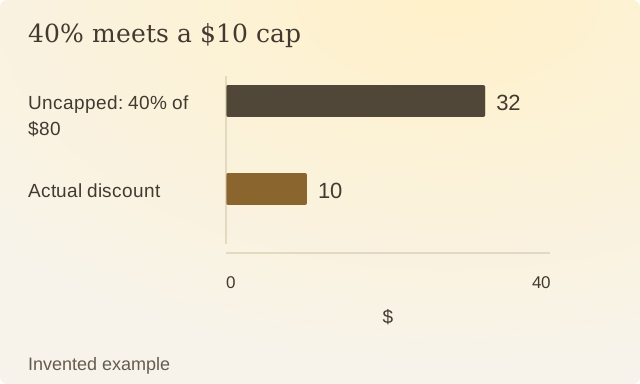
Read the values
| Item | Value |
|---|---|
| Uncapped: 40% of $80 | $32 |
| Actual discount | $10 |
Change the example amounts. Assume the full basket is eligible.
Shopify’s discount documentation describes eligibility and which purchases its discounts apply to. This particular cap and its dollar amounts are invented; read an actual offer’s terms to establish its calculation.
If the offer excludes $20 of the basket, calculate the percentage only on the remaining eligible amount. A minimum-spend rule may also count a different set of items from the visible subtotal. The terms need to identify that set.
Two offers can reverse order after caps and fees. Compare their final totals for the same wanted items rather than the largest printed percentage. A coupon that requires a larger basket changes whether you qualify and how much you buy.
Sources
Shopify: Amount-off discountsShopify’s discount guide. The capped dollar offer in this article is invented.