It should be clear which version and stock the shop is counting the count concerns. Two units of one size from one seller says something different from two units available everywhere.
In an invented clothing listing, “two left” appears beside a black shirt in medium. Changing to large shows twelve. The number concerns a selected version, not the whole range.
Location can matter too. A local warehouse might have two units while another can ship later. A marketplace can show stock from one seller even when other sellers have the same item. “Two left” may refer only to your size, seller or nearby warehouse.
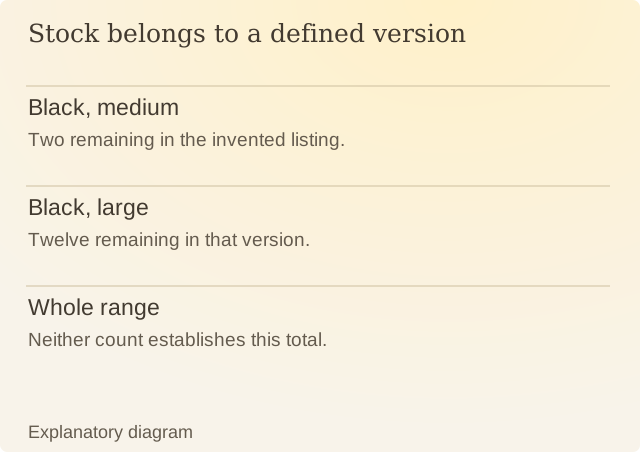
Read the diagram
| Item | Question or meaning |
|---|---|
| Black, medium | Two remaining in the invented listing. |
| Black, large | Twelve remaining in that version. |
| Whole range | Neither count establishes this total. |
The Mathur shopping-site study examined scarcity practices among its interface categories. To check a shop today, look at which product and seller the number covers, then compare what the shop says it counts.
If you record the listing, include the version, seller, delivery location and time. Comparing a different version later would not test the original claim. A stock change can also follow restocking or cancelled orders.
Finally, check what scarcity changes for your task. If the precise version matters and alternatives are unavailable, the count may be useful. If another size or seller fits equally well, the narrow stock message gives less information about overall availability. The product still needs to fit before its remaining quantity matters.
Sources
Mathur and colleagues: Dark Patterns at ScaleOriginal shopping-site study, 2019. Historical observations, not a current audit of every store.