It can disclose a commercial relationship behind a recommendation. A flat payment, sales commission and free sample create different relationships, each separate from the product evidence.
The FTC’s influencer disclosure guide covers material connections such as payment and free products. This is US guidance; the practical reading question here is whether the relationship is visible when you encounter the recommendation.
Imagine three fictional posts about a bag. One creator receives a fixed fee for the post; another receives a percentage when a reader buys through a link. A third receives the bag without paying for it. The arrangements differ even if each post uses the same word, “recommended.”
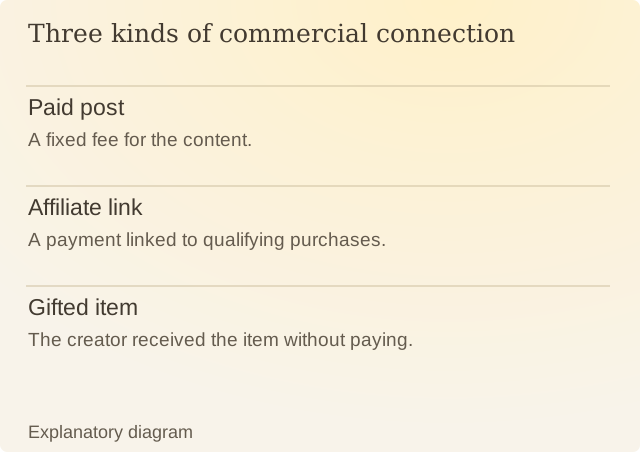
Read the diagram
| Item | Question or meaning |
|---|---|
| Paid post | A fixed fee for the content. |
| Affiliate link | A payment linked to qualifying purchases. |
| Gifted item | The creator received the item without paying. |
Then check what the creator says about the bag. A demonstration can show pocket layout. A claim that the bag lasts five years needs a different record. Receiving the item for free cannot supply evidence about five years of use.
Check whether the creator’s comparison includes costs that matter to you: shipping, repair, replacements and return conditions. A discount code may change the price without resolving those questions.
Disclosures let you judge a recommendation with more information. They do not require assuming the creator dislikes the item, or that a commission makes every observation unreliable. Knowing who paid helps you read the recommendation. Measurements and actual use help you check what it says about the bag.
Sources
FTC: Disclosures 101 for social media influencersUS guidance on paid and other material relationships.