Identify what you expected, what happened and which fact would have changed the decision. Keep the review specific enough to guide a future choice.
What went differently from what you expected?
Imagine a fictional jacket returned because it fits badly. The useful missing information may be sleeve length. If the jacket fits but arrives after the event, the missing information concerns delivery. The next review needs different facts in each case.
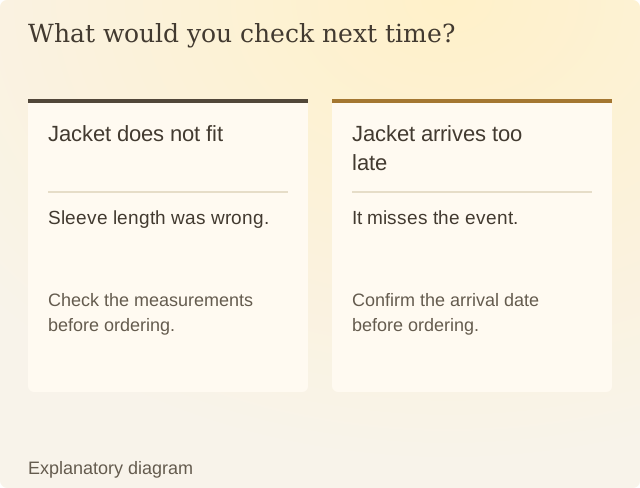
Read the diagram
| Situation | What happens | What to check |
|---|---|---|
| Jacket does not fit | Sleeve length was wrong. | Check the measurements before ordering. |
| Jacket arrives too late | It misses the event. | Confirm the arrival date before ordering. |
A Reddit author described regret about an item they did not buy. That account shows why regret alone cannot become a simple instruction always to buy or always to wait. Either path can later be judged differently.
For an actual purchase, separate information available at the time from information discovered afterward. A size chart ignored at checkout and a hidden defect require different explanations. You could have checked the chart. You could not have checked a defect the seller hid.
Check the return window and conditions while the review is still useful. The FTC’s shopping guidance includes examining return terms before buying; those terms also determine what route remains afterward.
Write one concrete adjustment beside the mismatch. It might be checking dimensions, comparing the full total or asking the seller about a missing specification. Keep the note specific: check sleeve length, confirm arrival time or ask about a missing detail. It gives you something to use next time.
Sources
Reddit discussion: Regret about an unbought itemIndividual self-report. Shows a question worth examining, not how common it is.
FTC: Online shoppingConsumer guidance on price comparisons, seller information and return terms.